


MEDICINSKE USLUGE
Medical services
Respiratory rehabilitation
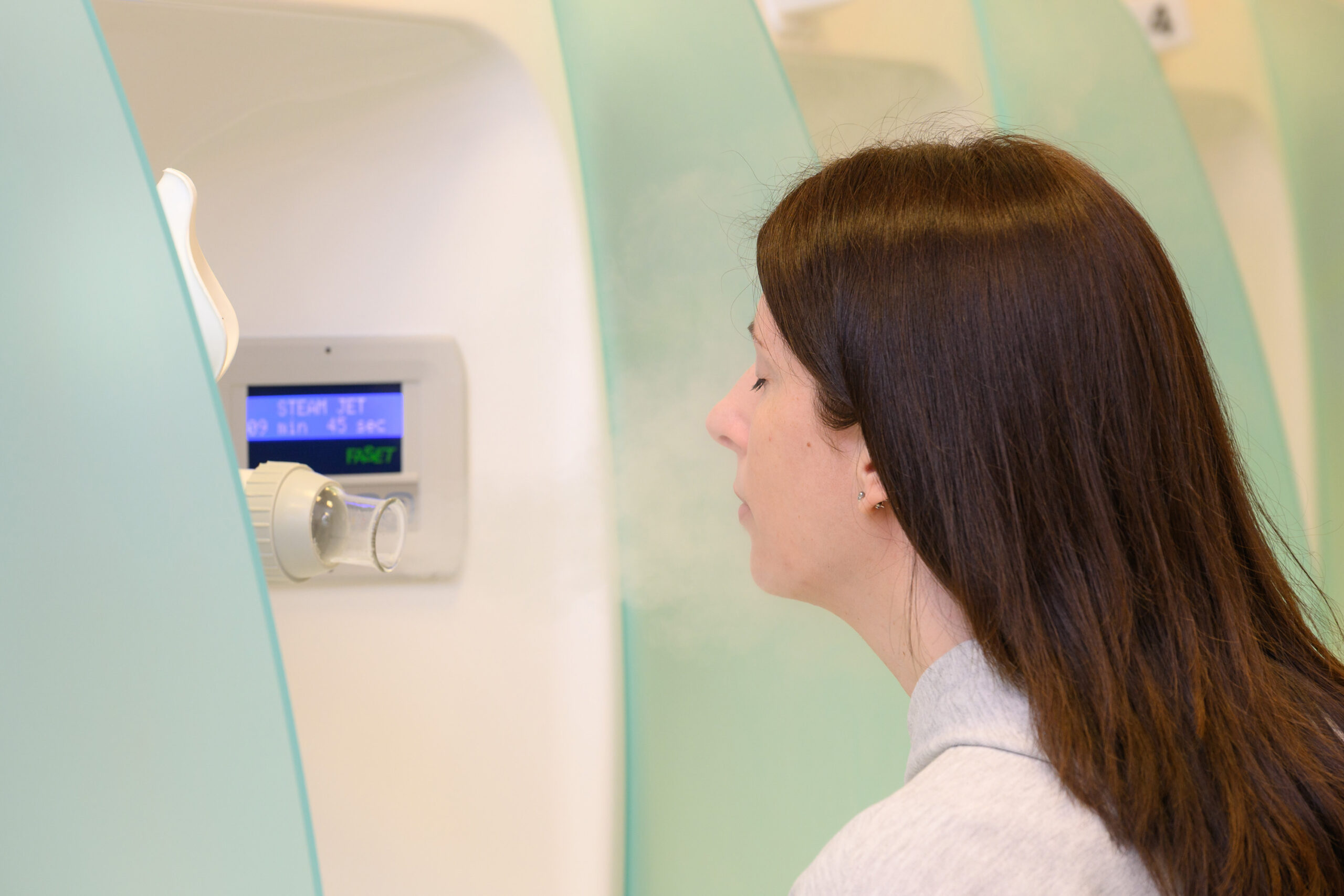

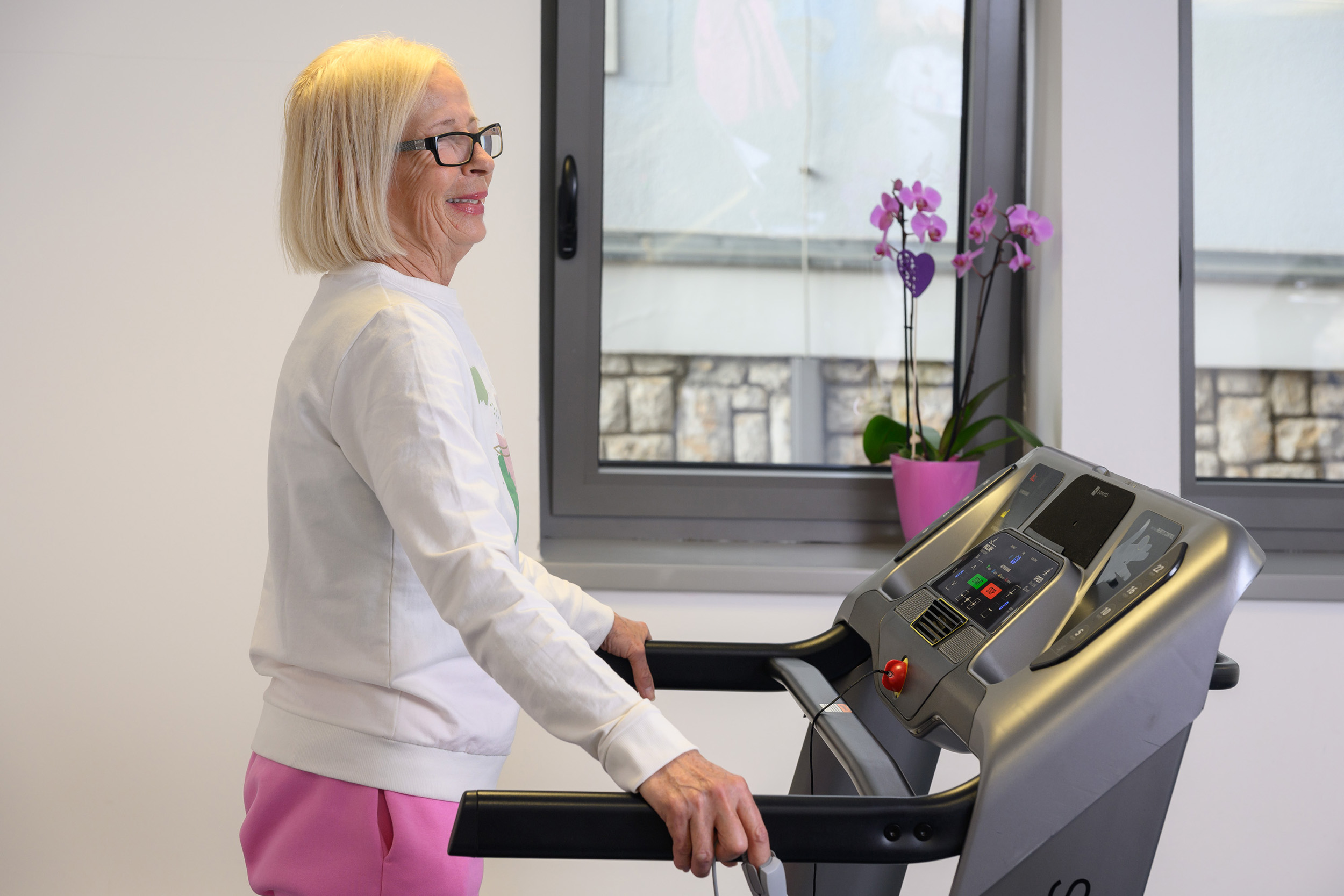
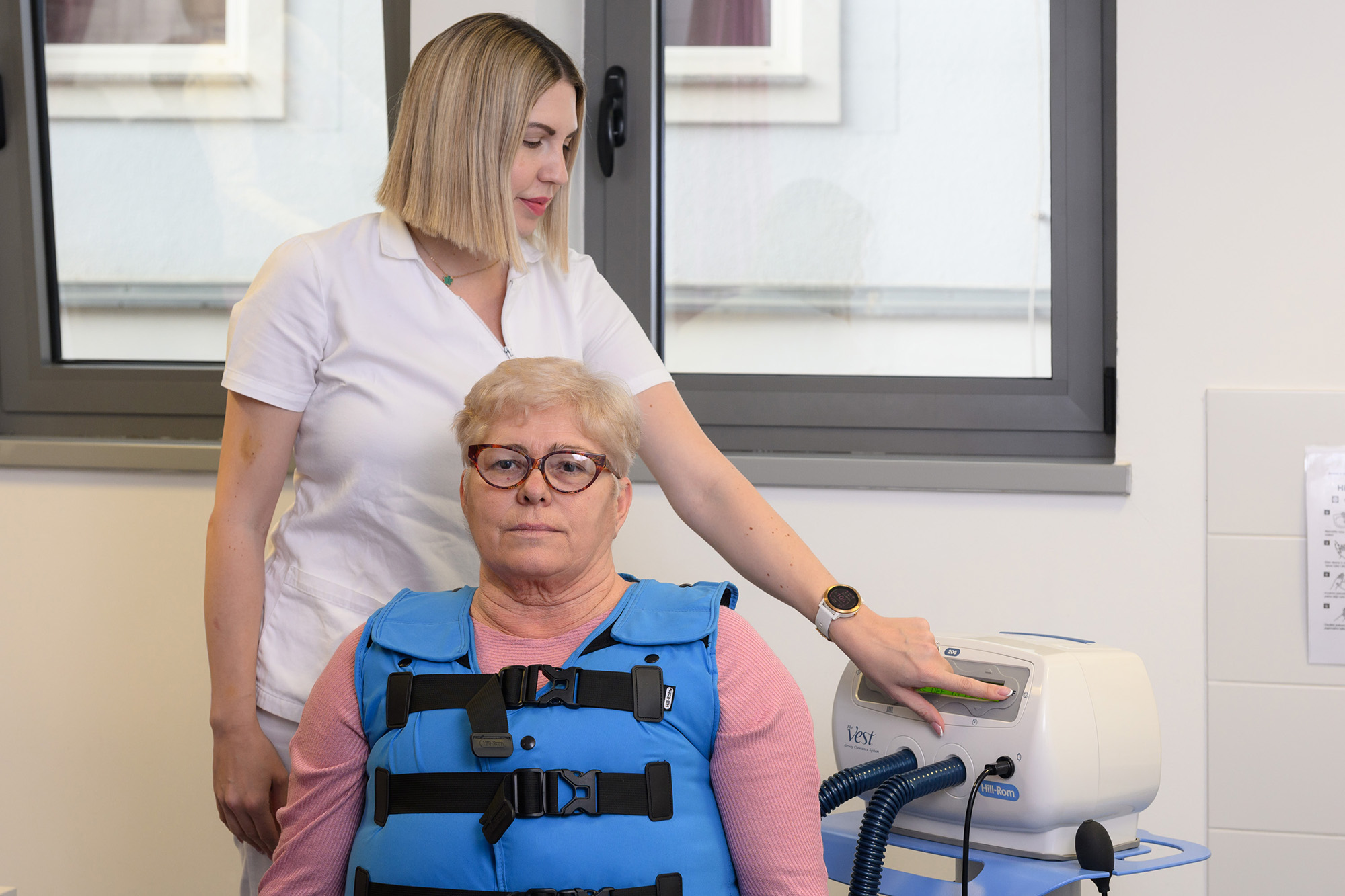
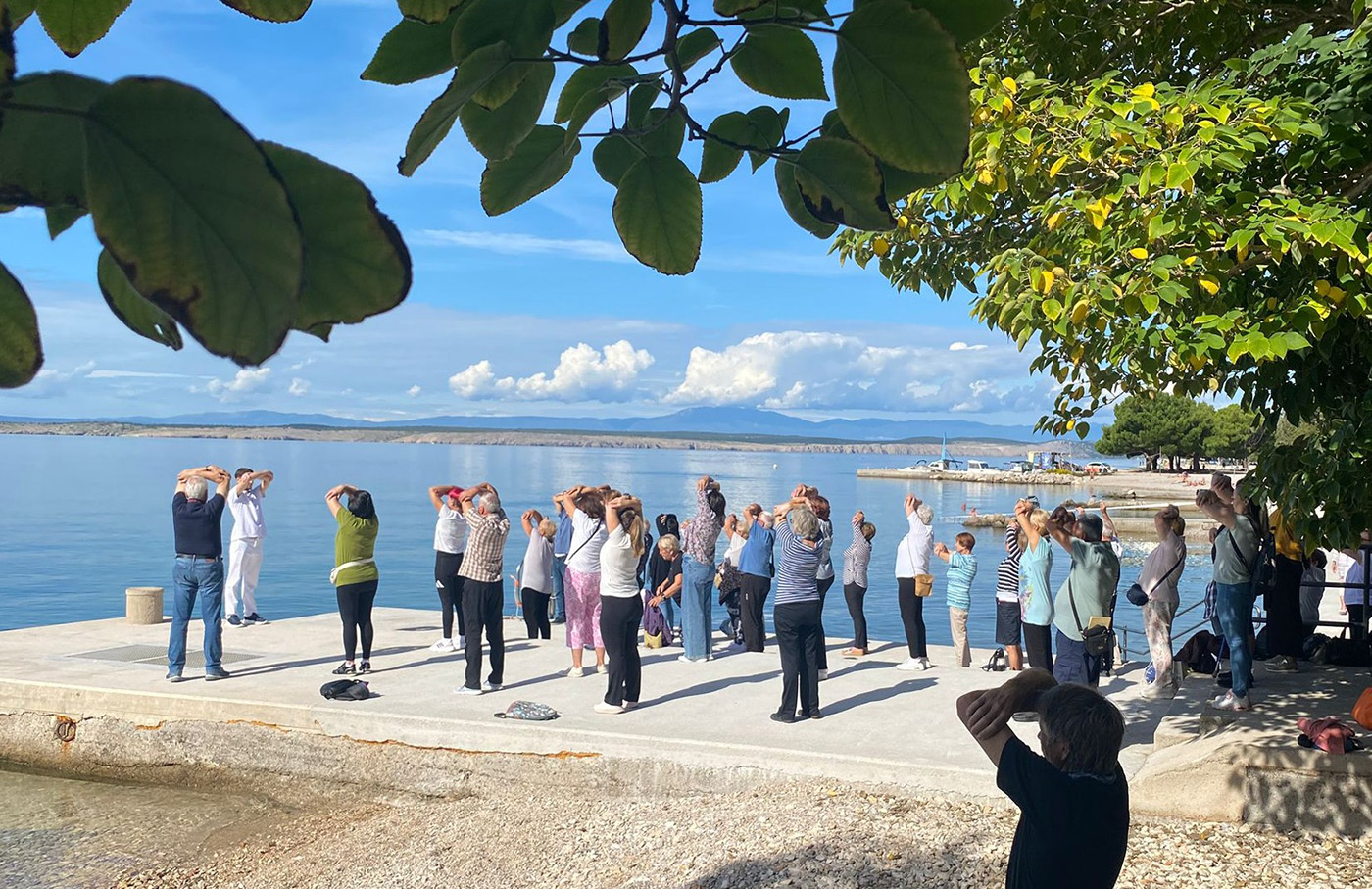
Respiratory rehabilitation at Thalassotherapia Crikvenica includes a range of non-invasive diagnostic and therapeutic procedures for chronic, allergic, acute and subacute respiratory diseases. The treatment and rehabilitation of respiratory diseases are based on a multidisciplinary approach – the concept of a unified airway. The upper and lower respiratory tracts are treated as a single unit.
Depending on the indication and the patient’s age, the rehabilitation team includes specialists in pulmonology, otorhinolaryngology, paediatrics, allergology, physical medicine and rehabilitation, as well as nurses and physiotherapists.
The therapeutic programme is designed individually according to the medical condition of each patient. It may include various types of inhalation therapy (seawater, essential oils, medications), vibratory inhalation and IPPB therapy, respiratory kinesitherapy, breathing exercises, airway clearance procedures, vocal cord electrical stimulation and other physical therapy procedures.
Most therapeutic procedures are carried out in a dedicated inhalation unit and involve the administration of dispersed natural medicinal solutions, medications or gaseous substances into the respiratory tract.
Climatotherapy also plays an important role in recovery. Spending time by the sea, avoiding seasonal allergens, walking, exercising and swimming additionally help reduce symptoms and improve respiratory function.
Lower respiratory tract diagnostic procedures:
- spirometry
- spirometry with pharmacodynamic testing
- FeNO test
- impulse oscillometry
- pulmonary diffusion testing
- pulse oximetry
More information on diagnostic procedures is available here.
Upper respiratory tract diagnostic procedures:
- laryngoscopy
- otomicroscopy
Immunological and allergy diagnostics:
- allergy testing
Respiratory rehabilitation programmes
Programmes are provided as part of private treatment according to the current price list. The optimal duration of each programme depends on the individual diagnosis. The first results can already be seen after 7 days.
Upper respiratory rehabilitation programme (nose, sinuses, throat)
This programme is intended for the treatment of acute and chronic conditions associated with allergies, infections and inflammation, such as allergic rhinitis, sinusitis and laryngitis. Therapies include seawater and essential oil inhalation, medication inhalation, vibratory inhalation therapy, gargling and treatments with Bonain’s solution.
Pulmonary rehabilitation programme for adults
Pulmonary rehabilitation is based on a detailed assessment of the patient, after which an individual programme is provided, including exercise training, education about the disease, and lifestyle changes. It is intended for patients with COPD, asthma, interstitial lung diseases, patients after lung cancer treatment, patients with cystic fibrosis, patients awaiting lung transplantation, and those recovering from COVID-19.
The programme is delivered by a multidisciplinary team (pulmonologist, physiotherapist, nurse, psychologist, nutritionist). It includes special physiotherapy techniques, reconditioning, respiratory muscle strengthening exercises, inhalation therapy, and Nordic walking education and training.
The aim of pulmonary rehabilitation is to improve the quality of life of patients with chronic lung diseases. The recommended duration of the programme is three weeks.
Programme for laryngectomised patients
We provide treatment and rehabilitation for patients with malignant diseases of the larynx who have undergone a partial or total laryngectomy. In addition to a specialist ENT examination and inhalation therapy, the programme includes specific physiotherapy techniques, speech therapy rehabilitation (training in oesophageal speech), psychological support, and recreational swimming with special aids that enable safe breathing. The goals of rehabilitation are the acquisition and practice of substitute speech, strengthening of respiratory muscles, preservation of lung function, and psychological support. A multidisciplinary approach enables excellent outcomes and a significant improvement in quality of life.