
MEDICINSKE USLUGE
Medical services
Physiotherapy

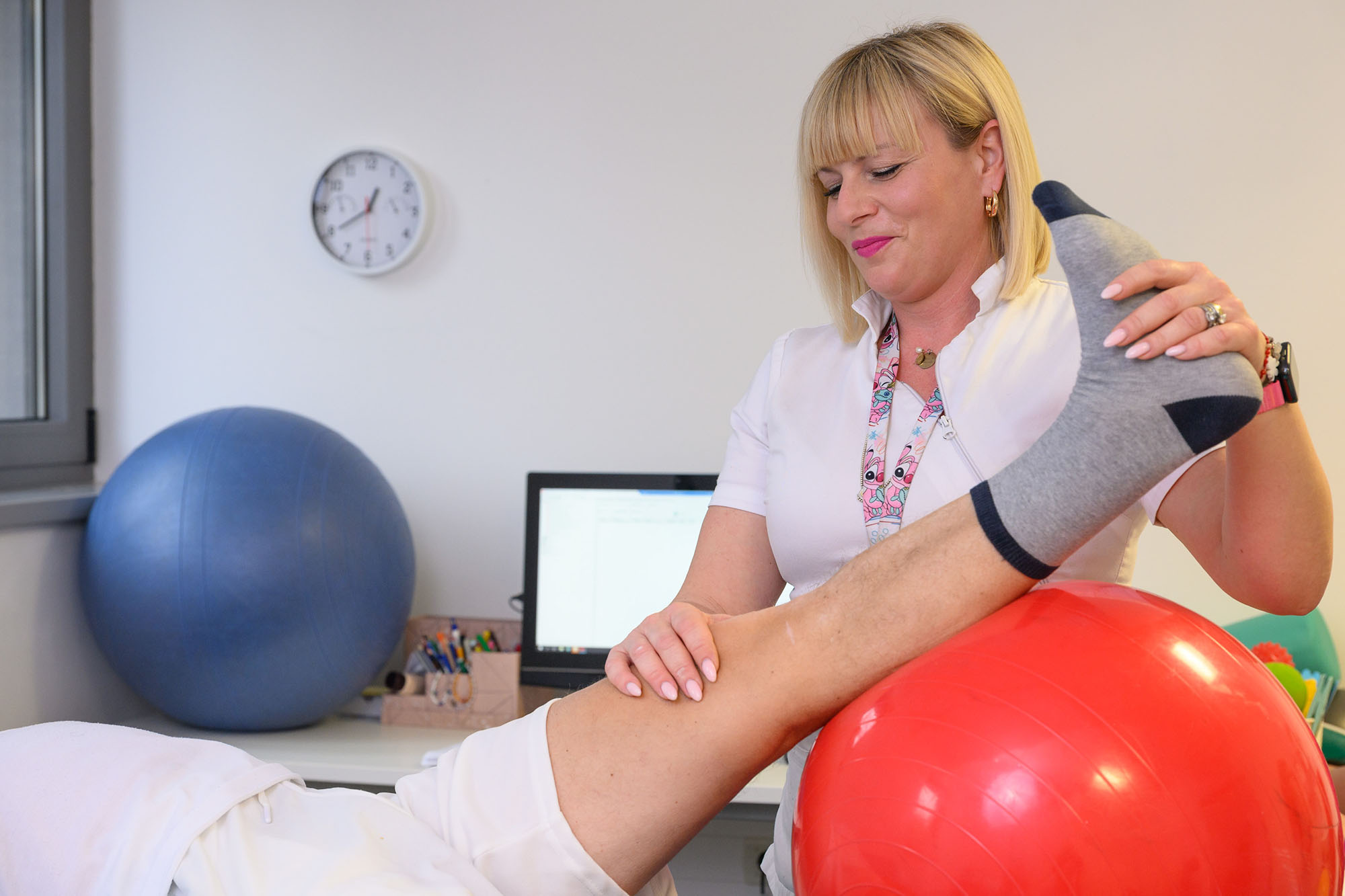
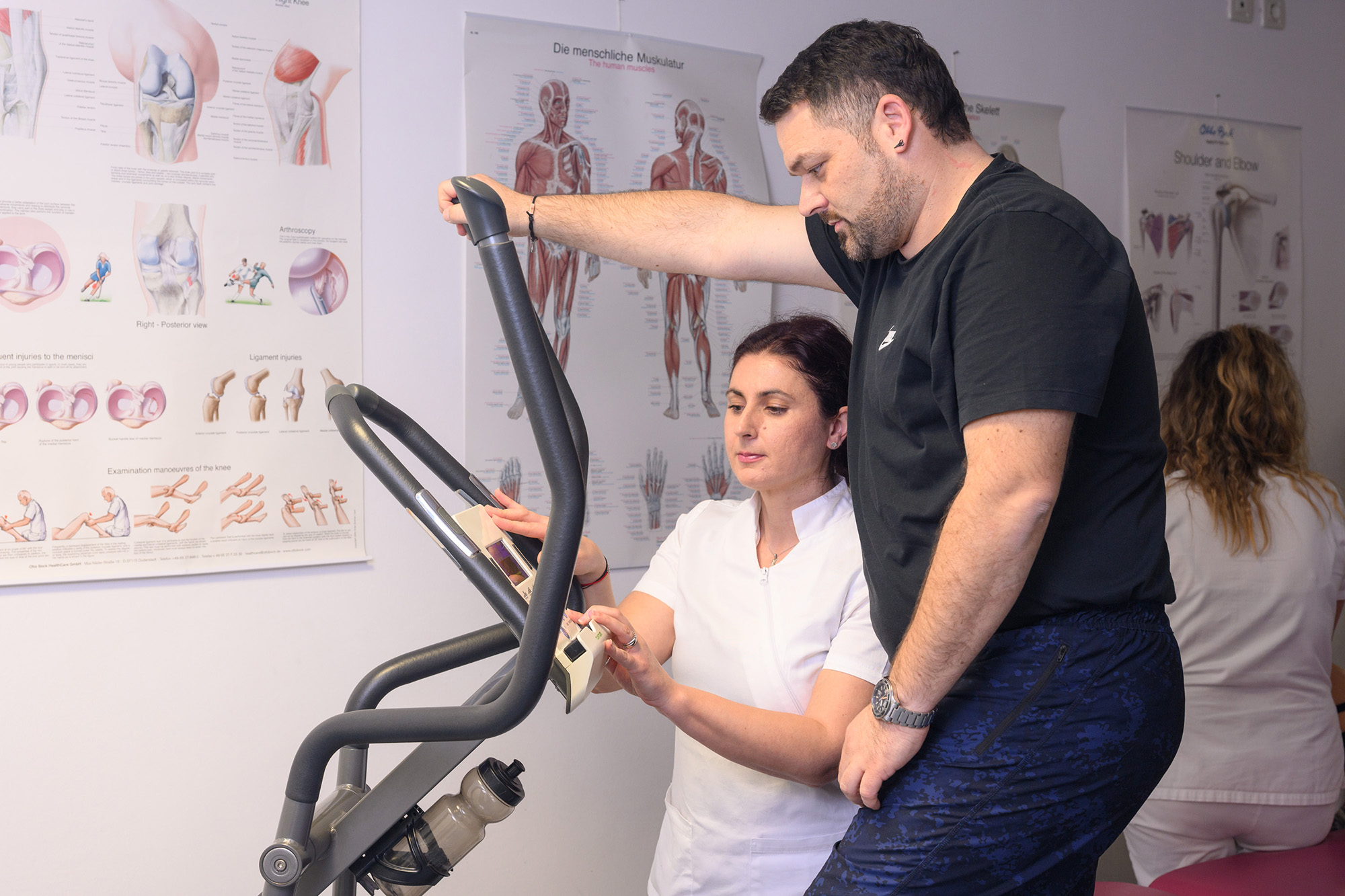
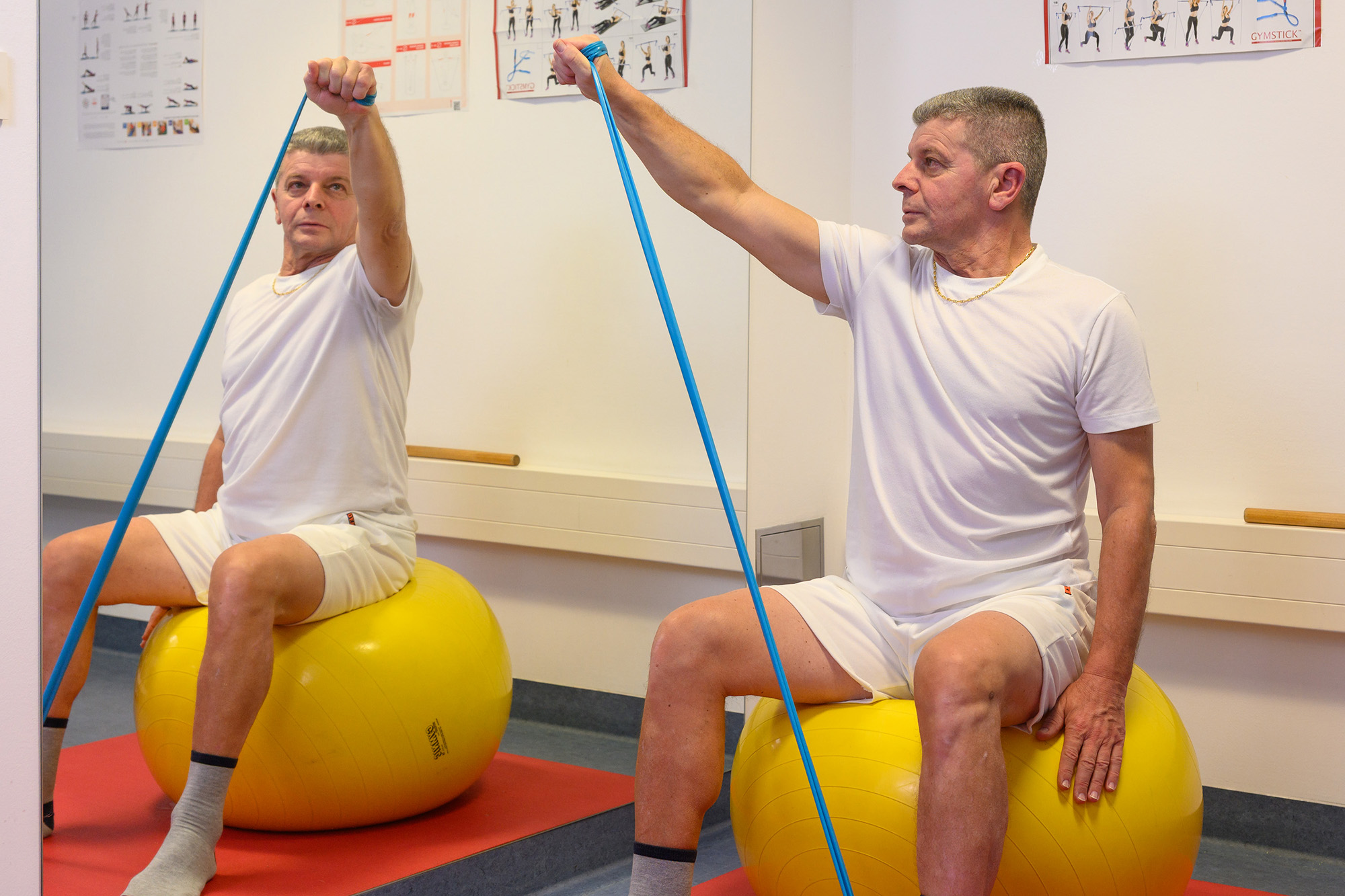
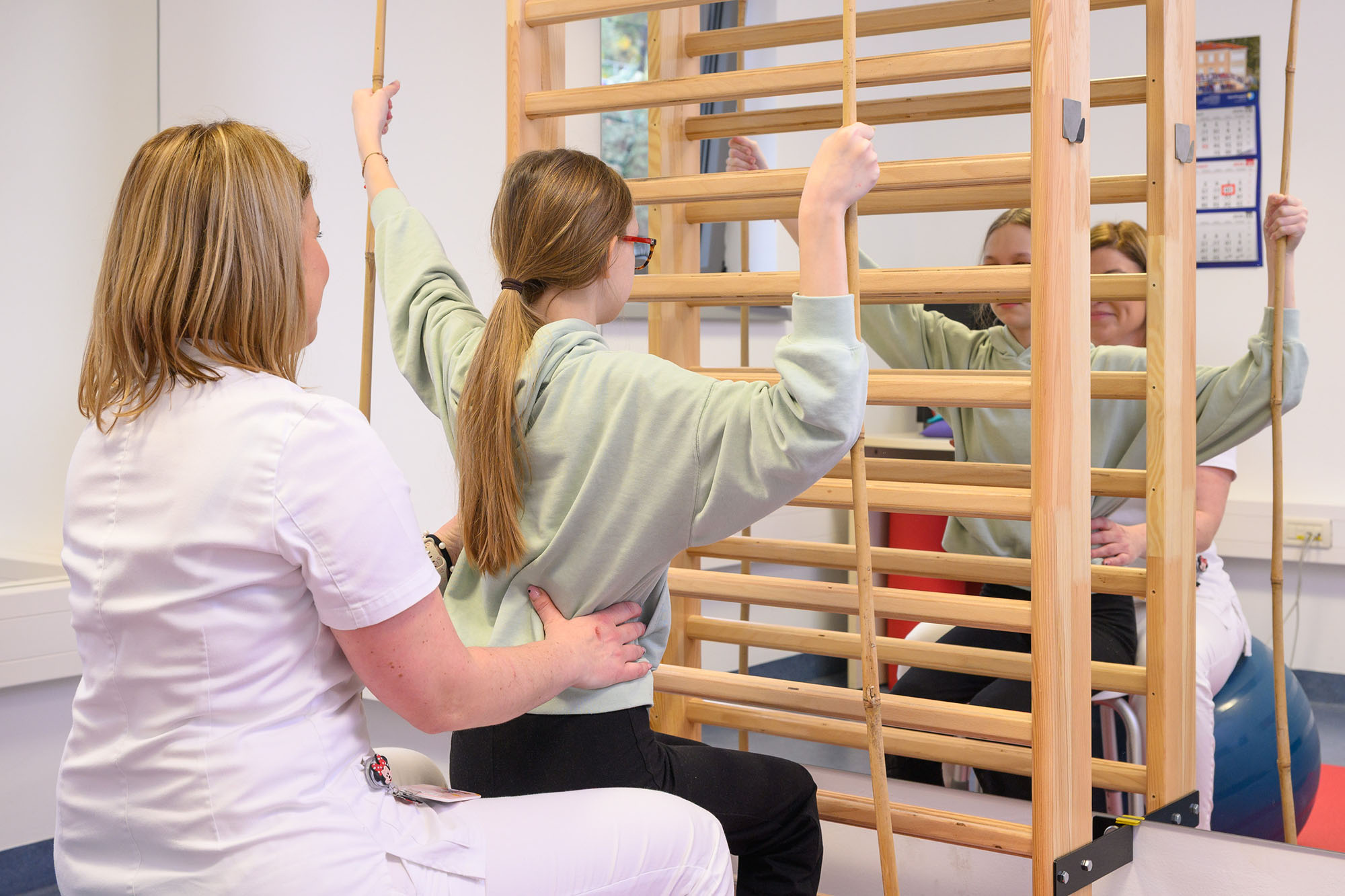
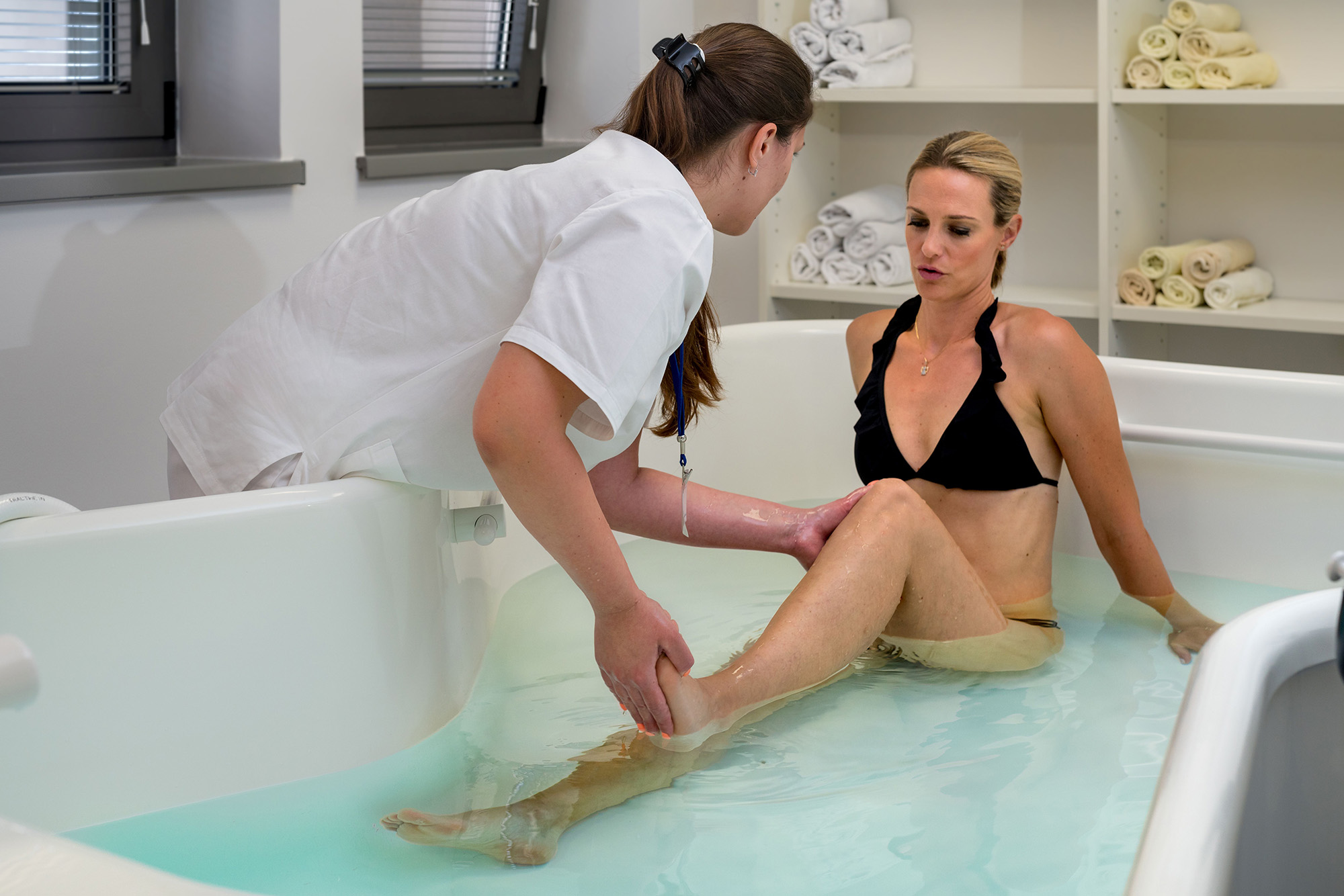
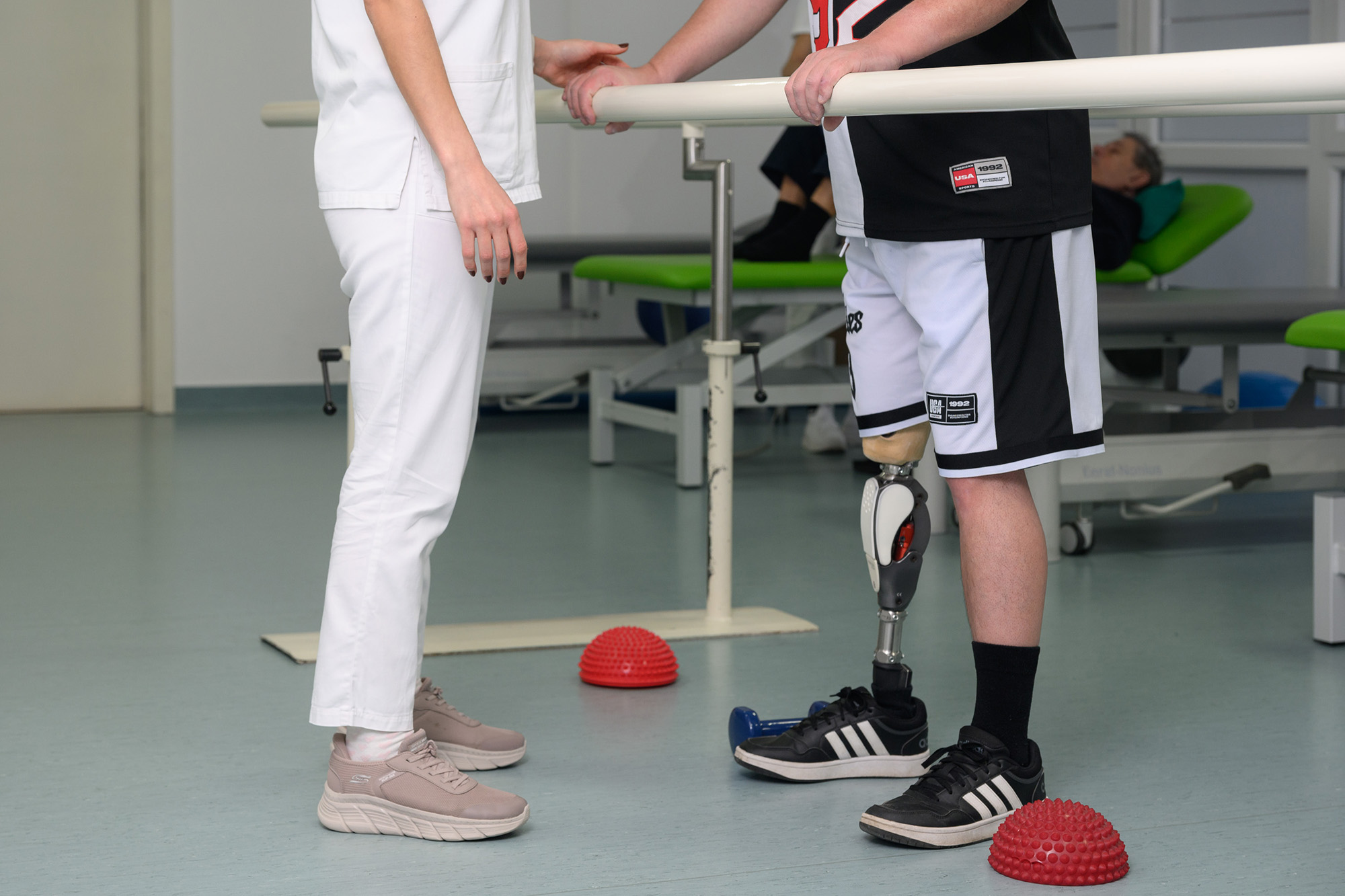
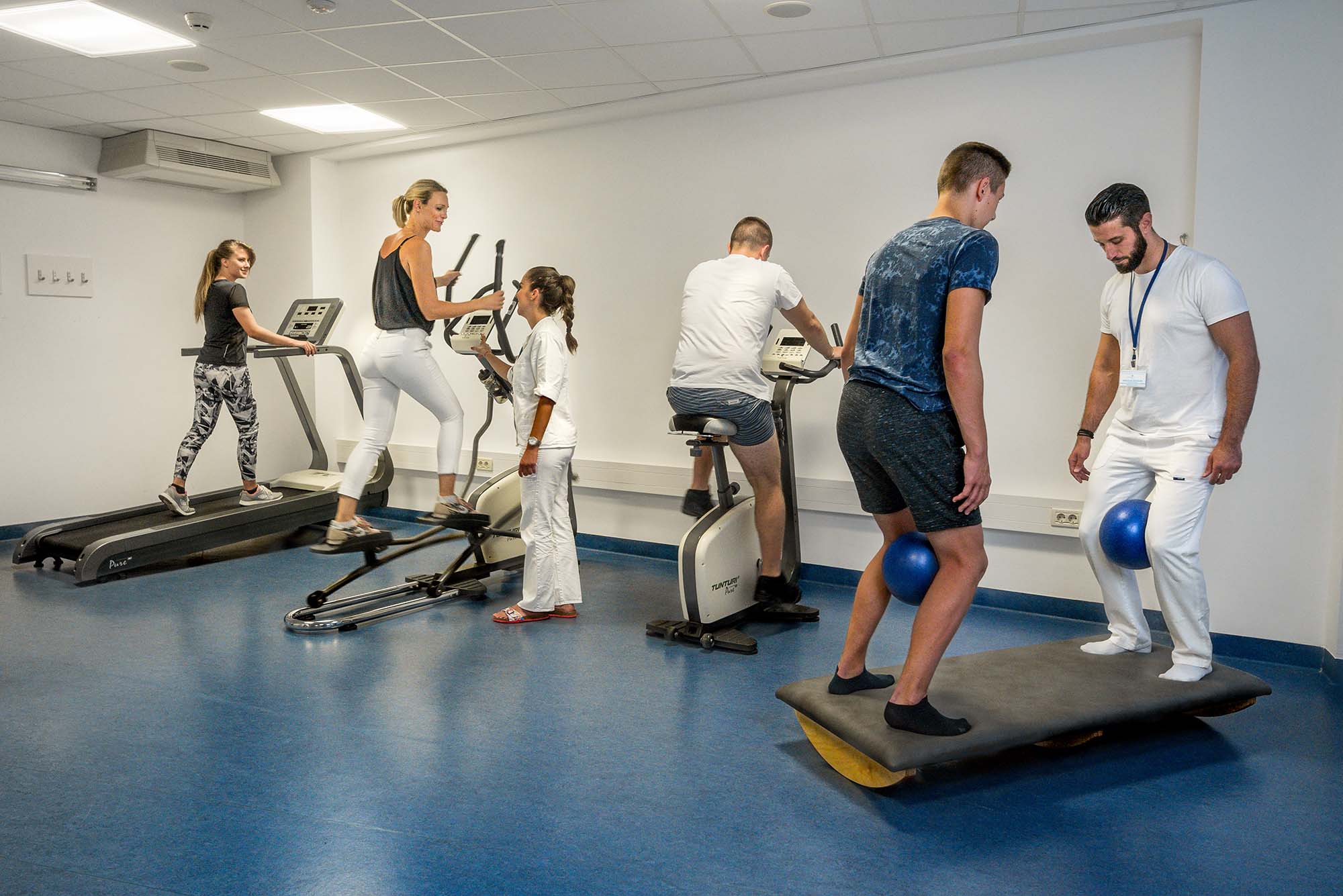
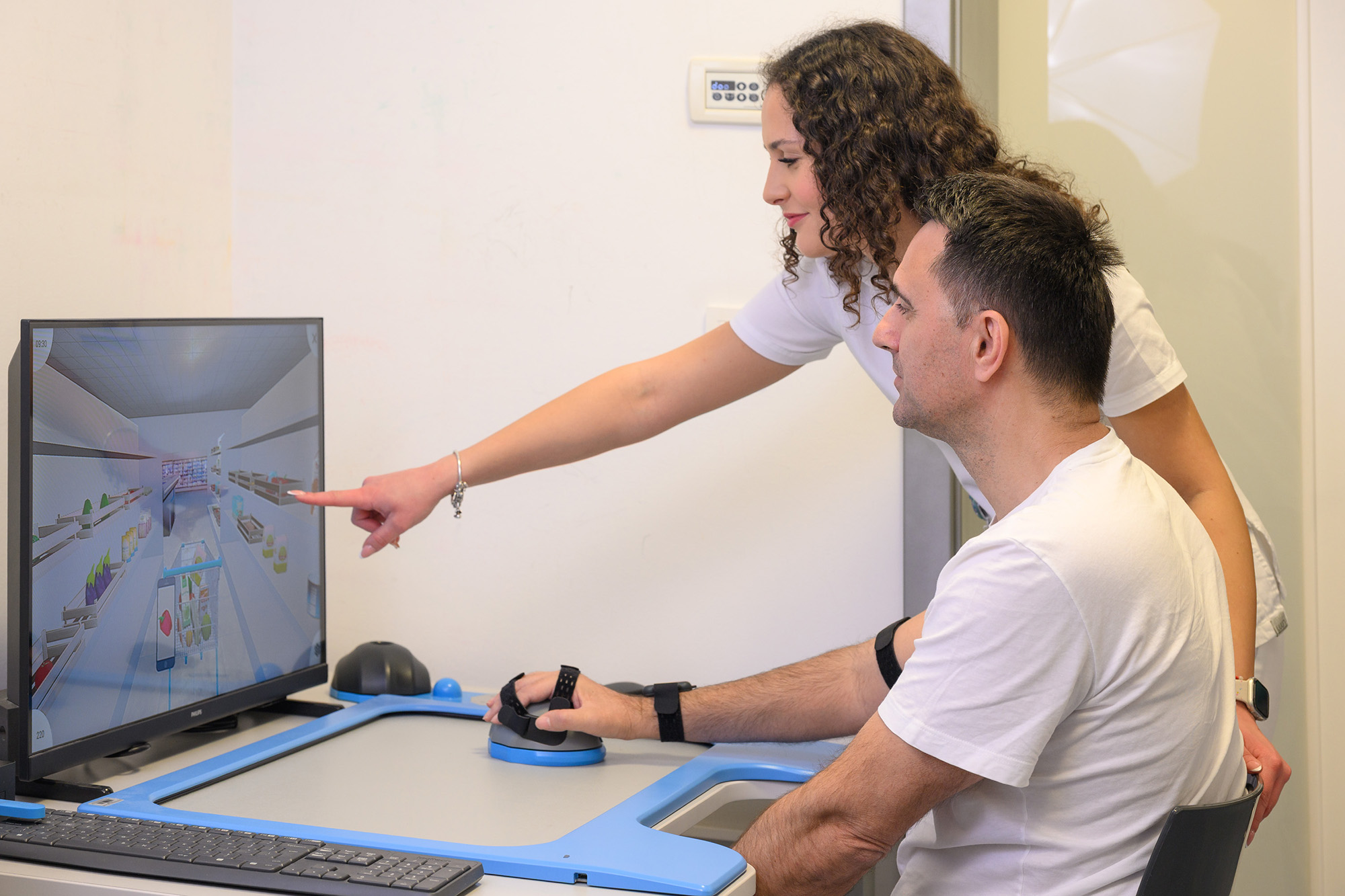

Physiotherapy at Thalassotherapia Crikvenica provides treatment for musculoskeletal disorders resulting from surgery, fractures, neurological diseases, spinal deformities, trauma, sports injuries or degenerative changes. Preoperative physiotherapy is also provided.
Rehabilitation is led by specialists in physical medicine, while experienced physiotherapists carry out assessments, treatment planning and therapy delivery based on an individual approach. After a specialist examination and diagnosis, the patient is referred for physiotherapy.
Programmes include individual therapeutic exercises (Bobath, PNF, DNS, CLT, Schroth therapy and other special techniques), joint and soft tissue mobilisation and manipulation (Maitland, Mulligan, Kaltenborn, etc.), isokinetic training, balance and proprioception exercises, K taping, robot-assisted hand therapy, cryotherapy, manual and mechanical lymphatic drainage, biofeedback therapy, exercise in a Hubbard tank and pool, and physical procedures (Tecar therapy, laser, ultrasound, electrotherapy, shockwave, galvanic baths).
The goal of therapy is to address the cause of the condition, increase strength and endurance, improve mobility, reduce pain, inflammation and oedema, and accelerate healing. Special attention is given to patient education to support the maintenance of achieved results.
Physiotherapy also includes pulmonology, otorhinolaryngology and paediatric physiotherapy, gait training as part of prosthetic rehabilitation, scoliosis treatment using Schroth therapy, and hydrokinesitherapy in a pool, with warm seawater, which is particularly suitable for chronic musculoskeletal conditions.
Indications for physical rehabilitation treatment:
- preoperative and postoperative rehabilitation following orthopaedic procedures on the musculoskeletal system (including joint replacement surgery – hip, knee, shoulder and ankle, arthroscopic tendon or ligament reconstruction, rehabilitation following amputation)
- postoperative rehabilitation following spinal surgery
- post-traumatic conditions following fractures and musculoskeletal injuries
- degenerative joint and spinal conditions, rheumatic diseases
- diseases of the central and peripheral nervous system (multiple sclerosis, post-stroke conditions, neuropathies, etc.)
Contraindications for physical medicine and rehabilitation
Contraindications for physical medicine and rehabilitation include acute infections, acute cardiovascular disorders, pregnancy, acute malignant diseases, severe cognitive impairment, and inability of the patient to cooperate with the therapist.
To participate in a physiotherapy programme, the patient must have preserved cognitive functions and learning ability, minimal speech function to communicate with members of the rehabilitation team, and adequate physical fitness to tolerate therapeutic activities and achieve rehabilitation goals.
Therapeutic procedures:
Physiotherapy assessment and evaluation
Physiotherapy begins with an assessment to determine the patient’s functional status. The assessment includes a review of medical records, discussion of symptoms and functional limitations, and taking a physiotherapy history.
Isokinetic exercise
Isokinetic exercise is a method used to improve muscle strength and joint synergy more efficiently. Research has shown that the results of isokinetic rehabilitation last 2 to 4 years, and recovery can be several times faster compared to conventional methods.
Vježbanjem na izokinetičkom uređaju Humac Norm Training on the Humac Norm isokinetic device helps correct muscle imbalances, increase strength and prevent further damage to joint structures. The device is intended for upper and lower limb and trunk exercise, as well as occupational therapy in neurological patients. Therapy is conducted by specially trained physiotherapists.
Indications: prevention of sports and other injuries, rehabilitation of orthopaedic and neurological conditions, rehabilitation following amputation of the lower limbs, sports injuries and musculoskeletal surgery, preparation for skiing, weight management, etc. Contraindications for isokinetic exercise include recent fractures, aneurysms, acute inflammatory conditions, pregnancy, limited joint mobility, and high blood pressure.
Individual therapeutic exercises
Individual therapeutic exercises include passive, assisted and active range-of-motion exercises. Patients are offered individually tailored exercises designed to improve muscle tone and strengthen weakened muscles using various therapeutic aids.
An important part of the programme includes proprioception and balance training, particularly in the prevention of recurrent injuries, following lower limb amputations, and after strokes. These exercises are performed on balance mats, computerised balance platforms, Pilates balls and other specialised equipment.
Special manual techniques in physiotherapy
Special physiotherapy techniques represent an indispensable part of physiotherapy at our institution, contributing to faster and more efficient relief or reduction of musculoskeletal symptoms.
The following special techniques are used:
Maitland concept
The Maitland concept is based on the application of passive and oscillatory movements to the joints of the upper and lower limbs and spine, with the aim of restoring pain-free movement and improving limited mobility.
Indications: acute, degenerative and chronic spinal conditions, degenerative joint disorders of the limbs, periarticular soft tissue conditions, postoperative rehabilitation following joint replacement and spinal surgery, sports injuries, certain neurological conditions.
Mulligan concept
This approach is based on manual mobilisation combined with active movement, where the treatment must always be painless. It is used in conditions involving loss of movement in the joint and in pain associated with movement or certain activities.
The method may in some cases completely relieve long-term pain, which has contributed to its widespread renown.
Indications: spinal pain, tennis elbow, ankle sprain, degenerative changes affecting the knee and hip.
Kaltenborn technique
The Kaltenborn approach uses three grades of joint mobilisation: the first two are applied to reduce pain, and the third to mobilise a joint with restricted mobility. The technique applies passive movement to reduce pain, increase joint range of motion, and improve tissue elasticity.
Cyriax technique
This modern manual orthopaedic technique is used in the treatment of soft tissue and joint injuries.
Fascial manipulation
Fascial manipulation focuses on relaxing the fascia, the connective tissue surrounding muscles throughout the body, in order to reduce pain and improve mobility.
Indications: pain following musculoskeletal injuries, spinal pain, certain types of headache.
Bobath concept
This type of physiotherapy focuses on improving movement and mobility in individuals with central nervous system disorders. It is based on neuroplasticity – the brain’s ability to adapt, reorganise and recover following neurological injury.
Indications: post-stroke rehabilitation, multiple sclerosis, Parkinson’s disease, traumatic brain injury, hypoxic brain injury, and other similar neurological conditions.
PNF concept
The PNF concept uses proprioceptive stimulation to improve neuromuscular mechanisms in neurological patients and certain orthopaedic and rheumatological conditions. The technique may increase range of motion, facilitate movement initiation, increase muscle strength, and improve coordination, motor learning and concentric and eccentric movement control.
Hydrokinesitherapy
NOTICE:
Due to renovation works, the therapeutic pool is closed until the completion of the project. Hydrotherapy treatments are currently not available. Thank you for your understanding and patience. The pool renovation is part of the ‘Investment in the Modernisation of Thalassotherapia Crikvenica Accommodation Facilities for the Development of Health and Wellness Tourism’ project (project code: NPOO.C1.6.R1-I1.01-V3.0008), funded by the European Union – NextGenerationEU.
Hydrokinesitherapy at Thalassotherapia Crikvenica includes upper and lower limb exercises in a heated seawater pool, individual exercises in a Hubbard tank equipped with a lift for immobile patients, underwater massages of specific body areas, and two-cell and four-cell galvanic baths.
As an integral part of rehabilitation, hydrotherapy uses the physical and thermal properties of water to provide beneficial effects on the respiratory, nervous and musculoskeletal systems. Heated seawater therapy (32°C) is carried out in a therapeutic pool and is indicated for:
- musculoskeletal disorders (bone and joint diseases, spinal disorders, inflammatory and metabolic rheumatism in the chronic phase, degenerative and extra-articular rheumatic conditions, subacute and chronic injuries, sports injuries, conditions following joint replacement, joint contractures)
- neuromuscular diseases
- allergic and respiratory diseases of the upper and lower airways (water exercises improve breathing and lung capacity, and support circulation and cardiac function)
- laryngectomised patients – we are the only hospital in Croatia where rehabilitation is carried out in a swimming pool using specialised therapeutical aids. A swimming school is organised in which patients, under the expert guidance of a licensed instructor, learn how to use these aids in the pool as well as swimming techniques that they can also apply after their stay in the special medical rehabilitation facility.
Hydrokinesitherapy is conducted by physiotherapists and supervised by physical medicine specialists, paediatricians, allergists, pulmonologists and otorhinolaryngologists. Hydrotherapy sessions are performed in groups of up to 15 people.
Indiba
At Thalassotherapia Crikvenica, INDIBA therapy is combined with special manual therapy techniques (Maitland, Cyriax) to help reduce pain and swelling and increase joint mobility. The INDIBA Activ device promotes biostimulation and improved vascularisation and tissue activation, contributing to faster and more effective recovery.
It provides excellent results in acute and chronic musculoskeletal conditions, spinal pain, postoperative conditions, sports injuries and athlete rehabilitation.
Shockwave
In physiotherapy, shockwave therapy is most often used in the treatment of chronic musculoskeletal conditions. Thalassotherapia Crikvenica uses a less invasive radial shockwave therapy.
The most common indications with very good therapeutic outcomes include heel spurs, calcific shoulder tendinopathy, myofascial pain syndromes, and tennis and golfer’s elbow. Prior to shockwave therapy, a diagnostic musculoskeletal ultrasound performed by a physical medicine and rehabilitation specialist is required.
Cryotherapy
At Thalassotherapia Crikvenica, modern dry-air cryotherapy is performed using a CRYO device. This is a contactless method that is particularly effective in the early postoperative phase because it eliminates the risk of infection. A continuous blow of dry air at a temperature of around -30°C allows for deep tissue cooling, unlike conventional cold packs and cryomassage that only act superficially.
Indications: arthritis, bursitis, tendinitis, tenosynovitis, myositis, fibrositis, muscle tension, joint and muscle injuries.
Ultrasound therapy
Therapeutic ultrasound may produce thermal and non-thermal effects, depending on the method of application.
Indications: chronic degenerative diseases, ligament and tendon injuries, inflammatory conditions (bursitis, capsulitis, tendovaginitis, peritendinitis).
Laser
High-intensity laser therapy (HILT) is used at Thalassotherapia Crikvenica. Its main effects include biostimulation, tissue regeneration, analgesia, and anti-inflammatory and anti-oedematous effects.
Indications: soft tissue injuries (muscles, tendons, ligaments), chronic degenerative conditions, sports injuries, post-traumatic oedema.
Electrotherapy
Electrotherapy includes various procedures in which electrical current is used to reduce pain and alleviate inflammation.
We use analgesic currents (TENS, diadynamic, interferential) and various types of electrical stimulation.
Magnetotherapy
Magnetotherapy is used in the treatment of inflammatory and degenerative rheumatic diseases, and also musculoskeletal injuries and conditions, as well as to promote bone healing.
It is not indicated for people with pacemakers or other electronic implants, while artificial joints and metal implants are not considered a contraindication.
Kinesio-taping (K-taping)
Kinesio-taping is used to support other physiotherapy methods and manual therapy techniques in order to enhance therapeutic outcomes.
Its effects include stimulation or inhibition of muscle contraction, stabilisation of joint structures, pain reduction, accelerated recovery of muscles, joints and ligaments, improved circulation and lymphatic drainage, as well as prevention of new injuries.
KINETEK – continuous passive motion (CPM)
Continuous passive motion using a dynamic splint (Kinetek) is applied in the early postoperative stages of knee rehabilitation.
Medical Rehabilitation Park
Outdoor recreation, exercise and relaxation surrounded by Mediterranean medicinal aromatic herbs, just a few steps from the sea, create an ideal combination of the healing properties of the Adriatic Sea and medical prevention and rehabilitation procedures.
Physical medicine procedures and preventive programmes carried out in the Medical Rehabilitation Park include:
- breathing and relaxation exercises
- exercises to maintain and strengthen muscles and joints using eight exercise machines for the upper and lower limbs and torso
- a walking exercise course with special handrails and inclines simulating different walking conditions
All exercises are carried out under the supervision of a physiotherapist based on an individualised programme.