


MEDICINSKE USLUGE
Medical services
Pulmonology
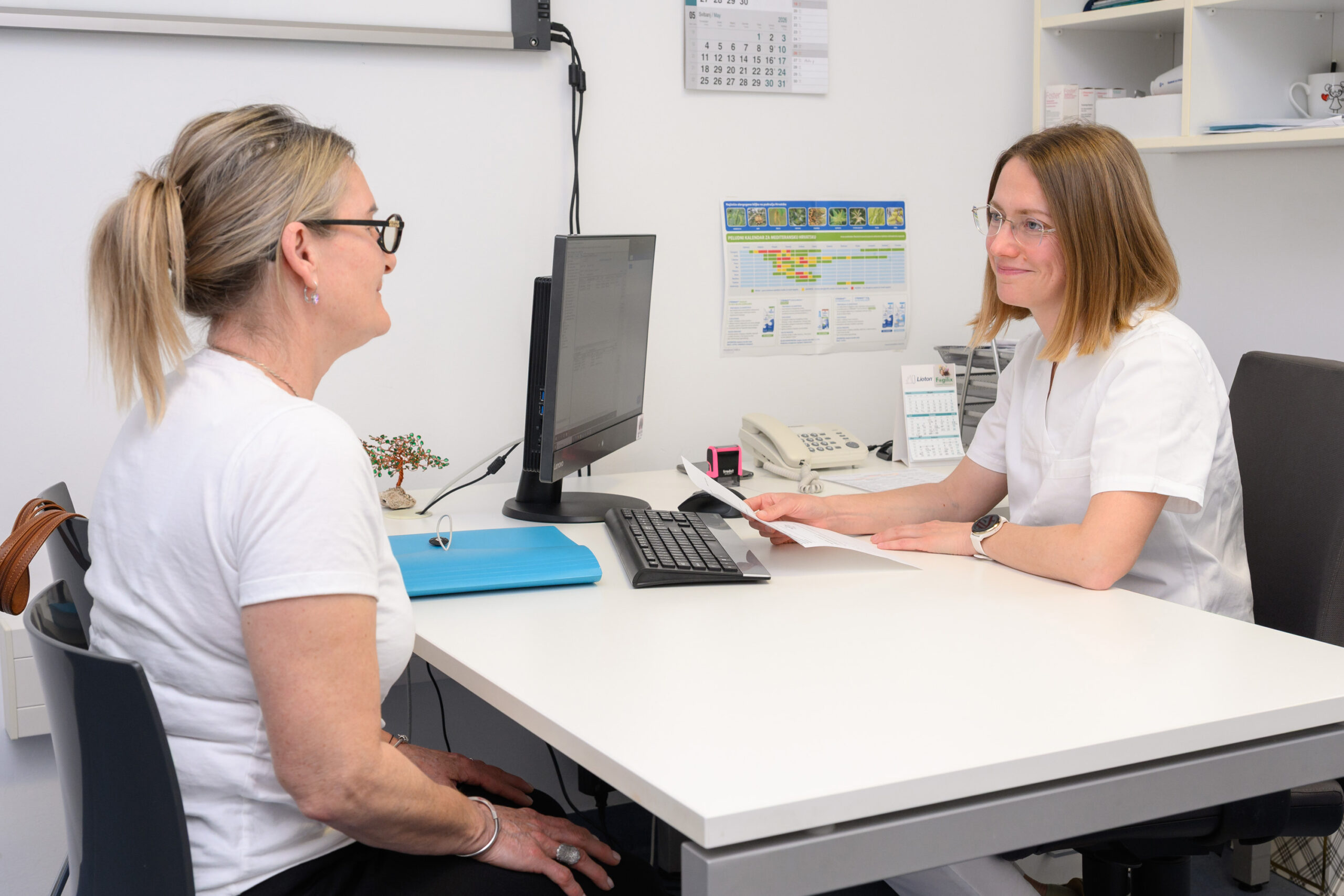
Specialist examinations, as well as diagnostic and therapeutic procedures are performed as part of the rehabilitation programme for lower respiratory tract diseases: inhalation therapy in the Inhalation Therapy Department and respiratory kinesitherapy procedures in the Outpatient Physiotherapy Department.
Therapeutic procedures for respiratory rehabilitation most commonly include inhalation of seawater and essential oils, medication inhalation, vibrational aerosol inhalation, IPPB therapy, breathing exercises and respiratory muscle strengthening.
Services are available on a self-pay basis.
Indications:
- bronchial asthma
- COPD
- bronchiectasis
- chronic bronchitis (smoker’s, mucopurulent, deforming, simple)
- occupational lung diseases (e.g. pneumoconiosis)
- conditions after surgery of the chest, bronchi and lungs, and radiotherapy and chemotherapy.
Diagnostic procedures:
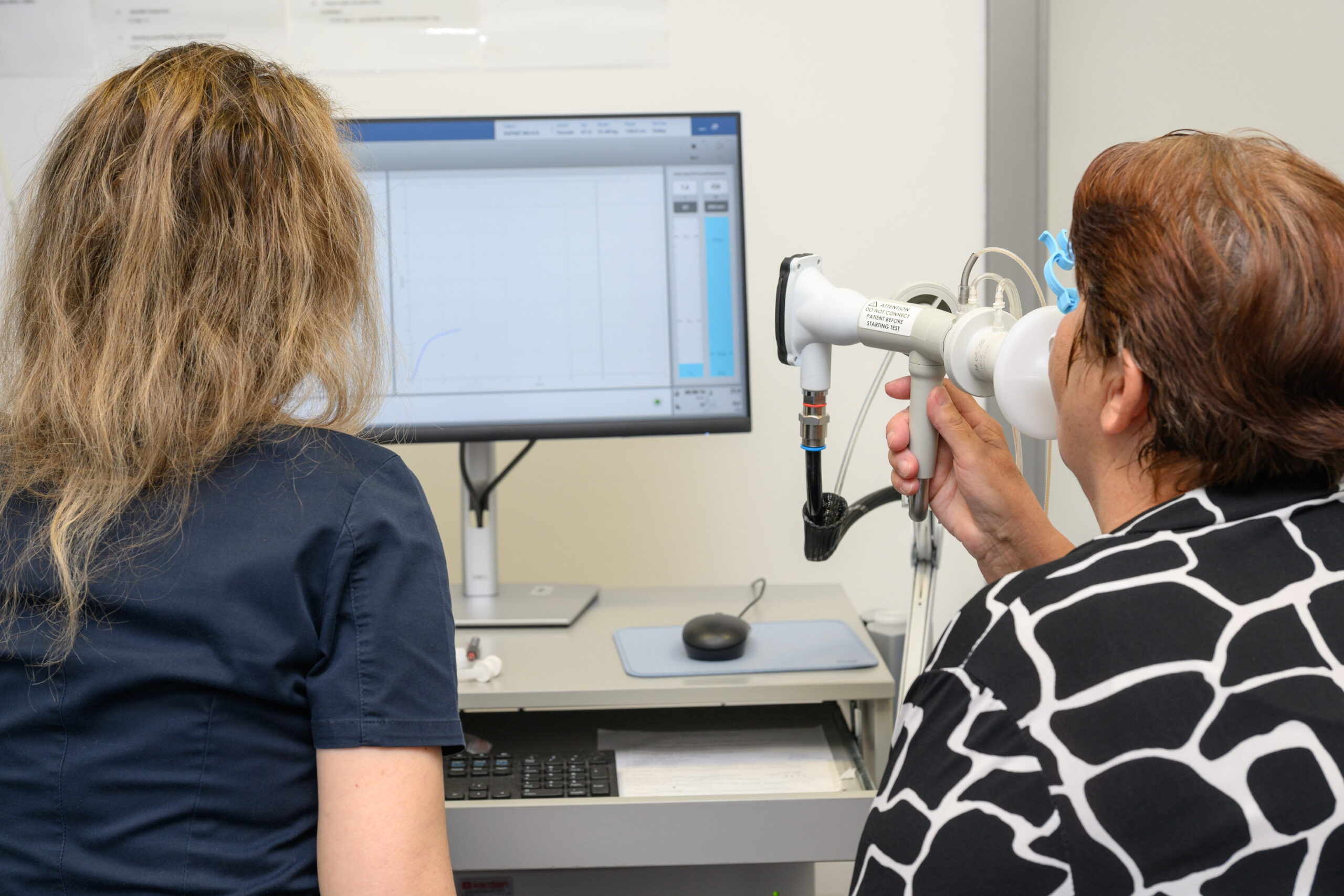
Spirometry / spirometry with pharmacodynamic test
Spirometry is a diagnostic test used to measure lung function, lung volume and capacity, and airflow through the lungs. The procedure is used to distinguish obstructive from restrictive lung diseases, to determine the severity of a particular disease, and to assess the therapeutic response. It is most commonly used in the diagnosis of asthma and chronic obstructive pulmonary disease (COPD), but also in other conditions affecting respiratory function, such as pneumonia, pulmonary hypertension, pulmonary fibrosis and allergies, as well as in assessing the effects of smoking and monitoring therapy outcomes. At our hospital, spirometry is performed by nurses licensed by the European Respiratory Society, ensuring patients receive high-quality, reliable medical services in line with international standards.
The procedure takes approximately 30 minutes. It is painless and requires patient cooperation and full engagement in order to obtain accurate results.
Preparation: a light meal, avoiding smoking an hour before the test and bringing relevant medical documents.
FeNO test
The FeNO test (Fractional exhaled Nitric Oxide) is a diagnostic test used to determine the severity of lung disease and assess the effectiveness of therapy. Fractional exhaled nitric oxide is used as a biomarker in the diagnosis and monitoring of disease, as well as an indicator of treatment success in adults and children with asthma.
The procedure is simple, takes a few minutes and requires patient cooperation.
Preparation: on the day of the test, do not take inhalation therapy. Before the test, avoid smoking and consuming sweets, chewing gum and foods rich in nitrites and nitrates (e.g. spinach, beetroot, salami, hot dogs).
IOS – Impulse oscillometry
Impulse oscillometry (IOS) measures airway resistance using short air pressure pulses and allows assessment of airway function with minimal patient effort. The procedure takes approximately 30 seconds and is completely non-invasive.
Lung diffusion (DLCO test)
Lung diffusion, or the diffusing capacity of the lungs for carbon monoxide (DLCO) test, measures how efficiently oxygen is transferred from the air sacs (alveoli) into the bloodstream. Reduced diffusing capacity values indicate conditions such as pulmonary fibrosis, emphysema or pulmonary vascular disorders. The procedure is simple, requires patient cooperation and can be repeated several times to ensure accurate assessment.
Pulse oximetry
Pulse oximetry is a quick and painless test that measures blood oxygen saturation (SpO₂). A sensor is placed on the finger, and the result is obtained in a few seconds.